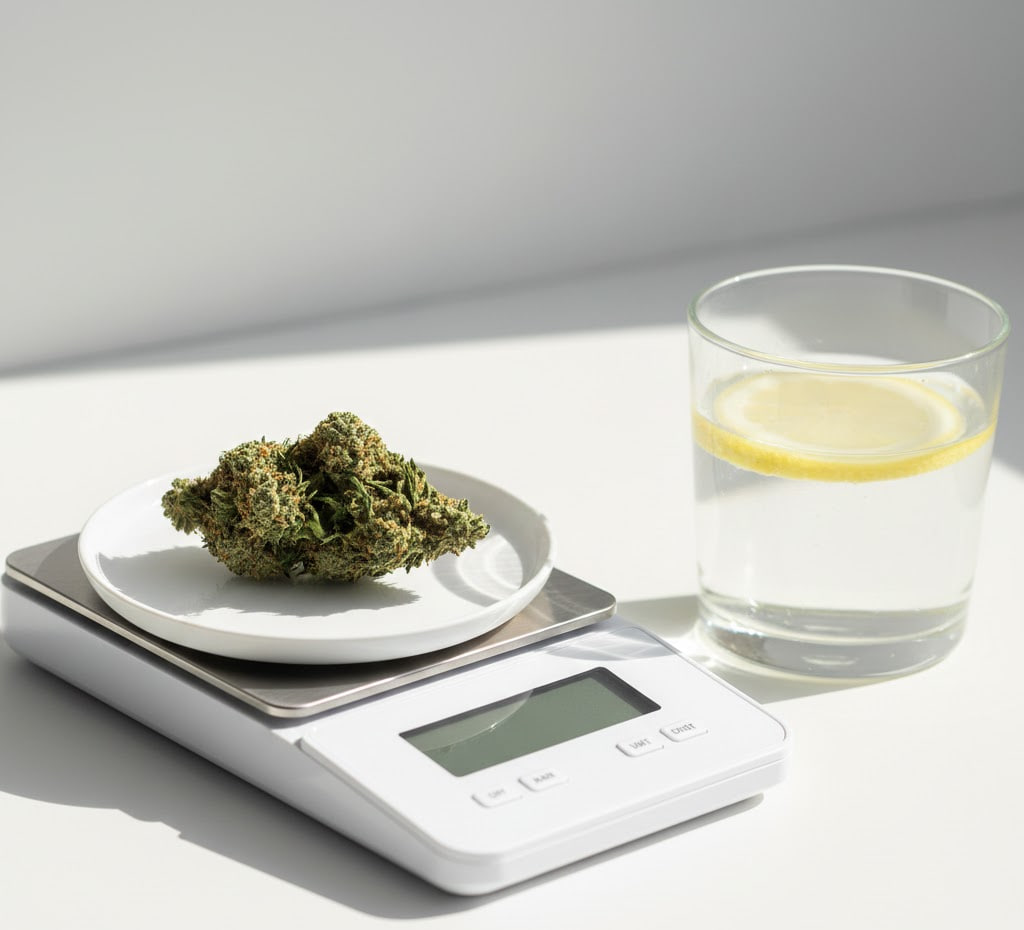
It happens eventually. Usually, it’s a quiet Tuesday evening or a weekend afternoon when you expect to relax. You grab the usual jar—maybe a premium strain that typically does the heavy lifting—and go through the ritual. You light up. You wait. And wait.
Ten minutes later, the realization hits. The effects are barely registering. A slight buzz, maybe, but that familiar wave of euphoria or deep relaxation? It’s missing. It feels like throwing a pebble into a deep ocean and waiting for a splash that never comes.
It isn’t the product. The flower is likely fine, covered in trichomes, smelling loud. The problem is internal. It is the biological wall known as tolerance. When consumption becomes a daily habit, or even a heavy weekly one, the spark inevitably dims. The body is stubborn; it fights to stay normal. For anyone who appreciates the nuance of the plant, this is the most annoying hurdle. You end up spending more to get less.
But the system is adaptable. Just as it learned to tolerate high levels of input, it can be trained to get sensitive again. It doesn’t always require a month of abstinence. It requires strategy.
The Mechanism of "The Wall"
To fix the issue, you have to understand the machinery. The human body runs on an Endocannabinoid System (ECS). This network is densely populated with CB1 receptors, primarily located in the brain and central nervous system. Think of them as locks. When THC enters the bloodstream, it acts like a key. It clicks in, turns the lock, and you feel the effect.
The brain, however, is obsessed with homeostasis. Balance. If you constantly flood these receptors with loud "noise"—high-potency THC, day after day—the brain protects itself. It essentially puts in earplugs. It downregulates the receptors. In biological terms, they either become less sensitive or actually retract into the cell, becoming unavailable.
That is why the second session of the day never hits like the first. You physically have fewer locks available to be opened. You can throw more keys at the problem (consume more), but if there are no doors, you aren’t getting in.
The "Tease" Method (Micro-Dosing)
The nuclear option is quitting cold turkey. It works, sure. But it isn't always appealing. A more sustainable method for many is micro-dosing. This involves drastically lowering intake to the bare minimum required to feel a physiological shift, without chasing the full experience.
For 48 to 72 hours, try consuming only tiny amounts. If the usual is a whole pre-roll, take two puffs and put it out. If it’s a 20mg edible, cut it into quarters. You might feel a bit of agitation or boredom—that’s the brain looking for its usual fix. But this drastic reduction signals the biological control center that the "noise" has stopped. It encourages those receptors to come back online. This method keeps the system active but lowers the threshold for satisfaction. It’s a tease, essentially. And it works.
Changing the Chemical Profile
Sometimes, tolerance is strain-specific. It sounds weird, but the body gets bored. If you have been consuming the exact same heavy Indica with the exact same terpene profile for three months, the body has mastered processing it. It becomes efficient. Too efficient.
Switching things up can shock the system. If you are strictly a flower smoker, switch to concentrates or edibles for a week. The metabolic pathway for edibles (processed by the liver) is different. If you strictly use high-THC strains, look for a 1:1 ratio product that balances the profile. The "Entourage Effect"—the synergy between different cannabinoids—works best when the inputs vary. By changing the chemical map you introduce to the body, you might find that lower doses hit harder simply because they are different.
Biological Support
You can also hack the process through diet and sweat. THC is lipophilic. It loves fat. Incorporating healthy fats into the diet—specifically Omega-3s found in fish, nuts, and avocados—can support the health of the endocannabinoid system.
And then there is movement. THC is stored in fat cells. Breaking a sweat not only releases stored cannabinoids (that "runner's high" is partially endocannabinoid-related) but also increases blood flow. It clears the fog. Even a twenty-minute daily session of intense movement can accelerate the reset process significantly compared to staying sedentary.
The Timeline
How long does it actually take? Everyone asks this. The good news is that the ECS is remarkably resilient. It wants to bounce back. While hard data varies from person to person, anecdotal evidence suggests that CB1 receptors begin to upregulate significantly after just 48 hours of abstinence or drastic reduction.
For a full, "virgin lungs" reset, most people find that two to four weeks is the standard. But you don't usually need a month to see results. Even a three-day break, or a "micro-dose weekend," can lower the tolerance enough to make the next session feel profound again.
Elevate Your Reset with Premium Miami Weed Delivery
When that tolerance break finally ends, the comeback should be memorable. The last thing anyone wants after a few days of discipline is a lackluster session. Whether shifting consumption methods to manage sensitivity or strictly rotating strains to keep the body guessing, the quality of the input matters.
Miami Weed Delivery ensures the return is actually worth the wait. By providing a curated selection of potent flowers and clean vapes, the service helps enthusiasts navigate their tolerance levels with style. Reliable cannabis delivery Miami isn’t just about speed; it is about matching the right product to the right moment. For those seeking the best weed delivery Florida has to offer, consistency is the key to keeping the magic alive.
Ready to light up the experience? Don’t settle for a basic return. Tap into the sunshine and let the good vibes roll directly to your door.